A leaking water heater does not always mean you need a new one. Some leaks come from fittings, valves or nearby plumbing and can be repaired. But water coming from the tank itself is usually a sign that the water heater has failed and needs to be replaced.
If you find water around your water heater, acting quickly can help limit water damage and make it easier to determine where the leak is coming from.
1. Turn Off the Water Heater
Before doing anything around an actively leaking water heater, shut down the appliance.
For an electric water heater, turn off the water heater breaker at the electrical panel. Do not work around an electric water heater that is actively leaking while the power is on.
For a gas water heater, turn the gas control to the OFF position. If you are not comfortable operating the controls or cannot identify them, stop and call a professional.
If you smell gas, leave the area and contact your gas utility from a safe location.
2. Shut Off the Water Supply
Find the cold-water shutoff valve on the pipe supplying the water heater and close it.
Depending on the type of valve, this may mean turning the handle clockwise or moving a lever to the closed position.
If the valve is stuck, damaged or begins leaking, do not force it. The home’s main water supply may need to be shut off instead.
Stopping the incoming water can reduce the amount of additional water escaping from the tank or plumbing.
3. Look for the Source of the Leak
You do not need to take the water heater apart. A visual inspection can often provide clues about where the water is coming from.
Water Leaking From the Top
Water around the top of the heater may be coming from the hot or cold water connections, flex lines, nipples, shutoff valve or nearby plumbing.
Many of these problems can be repaired without replacing the entire water heater.
Water Leaking From the T&P Relief Valve
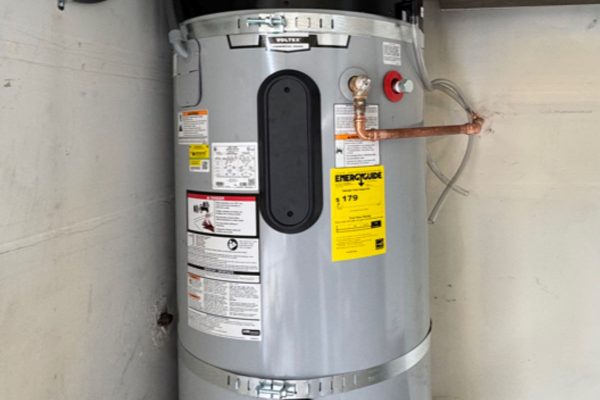
The temperature and pressure relief valve, commonly called the T&P valve, is an important safety device on a tank water heater.
Water leaking or dripping from this valve can be caused by excessive water pressure, thermal expansion, excessive temperature or a problem with the valve itself. The plumbing system and water heater should be evaluated to determine the cause.
Never plug, cap or block a T&P relief valve to stop a leak.
Water Leaking From the Drain Valve
The drain valve is located near the bottom of most tank water heaters.
Water around the drain valve may be caused by a loose, damaged or worn valve. Depending on the condition of the water heater, the drain valve may be repairable or replaceable.
Water Leaking From the Bottom of the Tank
This is usually the most serious situation.
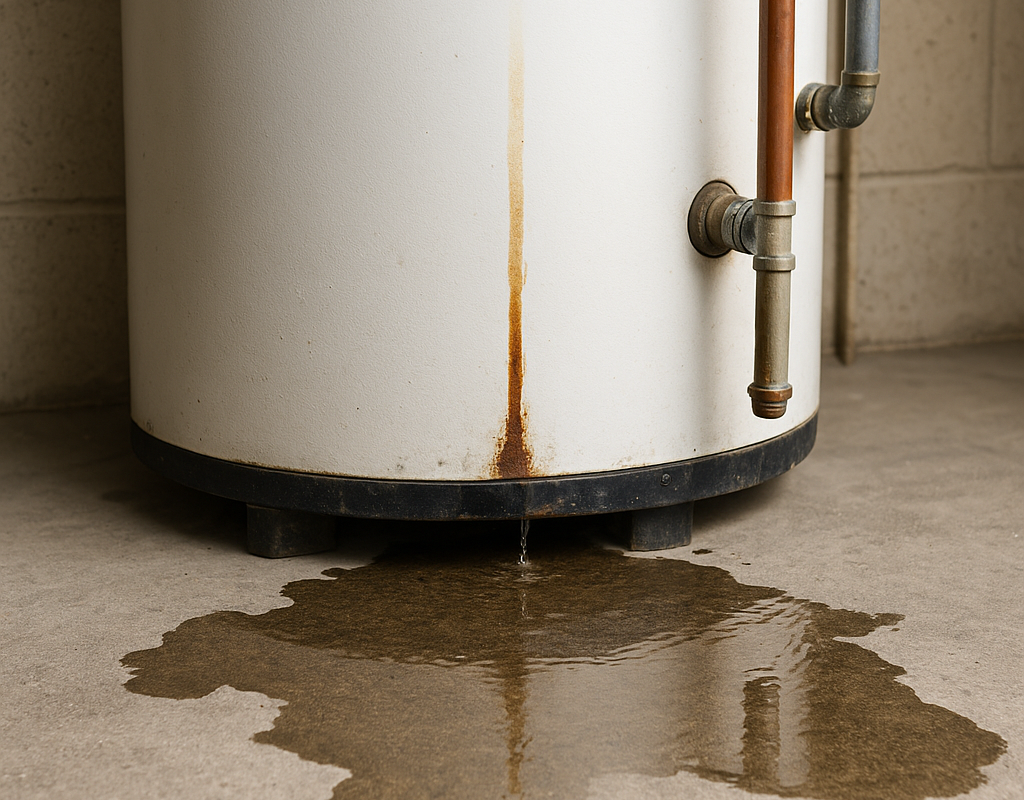
If water is coming from the body or bottom of the tank rather than a valve or plumbing connection, the internal steel tank may have corroded and begun leaking.
A leaking tank cannot normally be repaired. Once the tank itself has failed, the water heater needs to be replaced.
Don’t Ignore a Small Leak
A small amount of water around a water heater can turn into a much larger problem.
Persistent leaking can damage flooring, drywall, cabinets and belongings around the heater. The potential for damage is especially important when a water heater is located inside the home, in an upstairs utility area or anywhere that water can reach finished living space.
Even if the leak appears minor, it is worth determining where the water is coming from.
Can a Leaking Water Heater Be Repaired?
Sometimes.
Leaks involving plumbing connections, flex lines, certain valves, expansion tanks and other replaceable components can often be repaired without replacing the entire water heater.
The important distinction is whether the water is coming from a replaceable component or from the tank itself.
If the tank has corroded and is leaking, replacing the water heater is the proper solution.
When Does Replacement Make More Sense?
Traditional tank water heaters commonly last around 8 to 12 years, although actual service life varies based on water quality, maintenance, installation conditions and usage.
Age alone does not mean a water heater automatically needs to be replaced. But if an older water heater develops a significant problem, it makes sense to consider the age and overall condition of the unit before investing in repairs.
If the tank itself is leaking, replacement is necessary regardless of age.
A professional inspection can determine whether the leak is coming from a repairable component or whether the water heater has reached the end of its service life.
Water Heater Boys Can Help
Water Heater Boys inspects leaking water heaters throughout the Bay Area.
We can identify where the water is coming from and determine whether the problem can be repaired or whether replacing the water heater makes more sense.
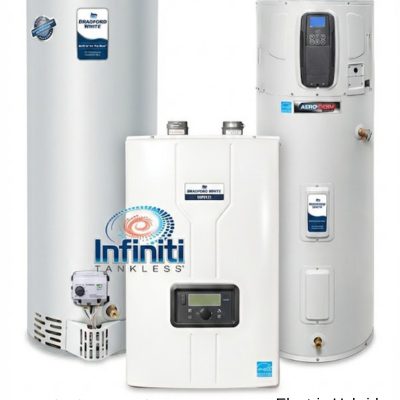
We work with gas, electric, tankless and heat pump water heaters and can provide same-day replacement when scheduling and equipment availability allow.
There is no service call fee for a leaking water heater inspection. You will get a clear explanation of the problem, practical options and straightforward pricing before deciding how you want to proceed.
Need Help With a Leaking Water Heater?
If you find water around your water heater, don’t wait for a small leak to become a bigger problem.
Contact Water Heater Boys. We’ll inspect the water heater, identify the source of the leak and explain whether repair or replacement makes the most sense.