Water heaters can sometimes fail suddenly, but many give warning signs before they stop working completely.
Changes in hot water performance, unusual noises, discolored water or moisture around the unit can all be signs that something needs attention.
Catching a problem early may give you a chance to repair the water heater or plan a replacement before you are dealing with cold showers or water damage.
1. Your Hot Water Runs Out Faster Than It Used To
If you suddenly have less hot water than you used to, your water heater may not be performing properly.
On a tank water heater, sediment buildup can interfere with heating performance. Other possible causes include a damaged dip tube, burner or control problems on a gas unit, or a failing heating element on an electric water heater.
The problem does not necessarily mean the water heater needs to be replaced. But if the change is noticeable and continues, it is worth finding out why.
2. The Water Is Lukewarm or the Temperature Is Inconsistent
Hot water that never gets hot enough or changes temperature unexpectedly can indicate a problem with the water heater.
Depending on the type of equipment, possible causes include thermostat or control problems, heating-element issues, burner problems, sediment or mineral buildup, or a water heater that is not properly sized for the home’s demand.
Tankless water heaters can also develop temperature problems because of mineral scale, flow issues, maintenance problems or equipment faults.
The cause should be diagnosed before assuming the entire water heater needs to be replaced.
3. You Hear Popping, Rumbling or Banging Sounds
Popping or rumbling noises from a tank water heater are commonly associated with sediment or mineral buildup inside the tank.
As minerals accumulate near the bottom of the water heater, water and steam can become trapped beneath or around the deposits, creating popping or rumbling sounds as the water heats.
Not every sound means the tank is failing, but new or unusually loud noises are worth investigating.
Regular maintenance and flushing can help reduce sediment accumulation in many tank water heaters, although the appropriate maintenance depends on the equipment and its condition.
4. Your Hot Water Looks Rusty or Discolored
Brown, orange or rust-colored hot water can indicate corrosion somewhere in the hot-water system.
One useful clue is whether the discoloration occurs only when you run hot water. If the cold water is clear but the hot water is discolored, the water heater or hot-water piping may be involved.
Possible causes include corrosion, deterioration of the water heater’s internal components, an anode rod issue or problems with older plumbing.
If an inspection determines that the tank itself is corroding internally, replacement may be necessary.
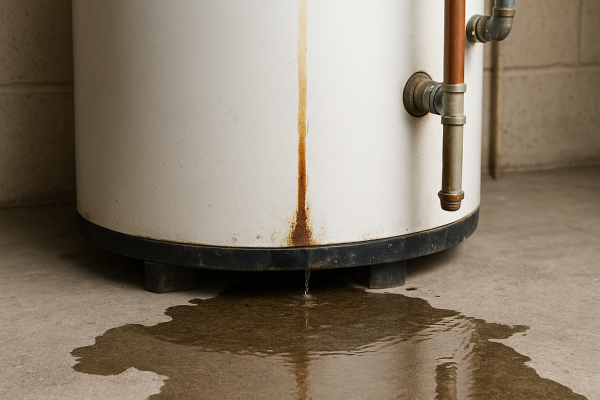
5. You See Water Around the Water Heater
Water around a water heater should always be investigated.
Not every leak means the tank has failed. Water can come from plumbing connections, flex lines, the shutoff valve, drain valve, temperature and pressure relief valve, expansion tank or nearby plumbing.
Many of those problems can be repaired.
The situation is different if the water is leaking from the tank itself. Once the internal tank has corroded or developed a leak, the tank cannot be repaired and the water heater needs to be replaced.
6. Your Water Heater Is Around 10 Years Old or Older
A traditional tank water heater commonly lasts around 8 to 12 years, although actual service life varies considerably.
Water quality, installation, maintenance, household usage and the individual water heater can all affect how long it lasts.
Age by itself is not a reason to replace a water heater that is working properly. But once a tank is around 10 years old, it makes sense to pay closer attention to leaks, corrosion, noises and changes in hot-water performance.
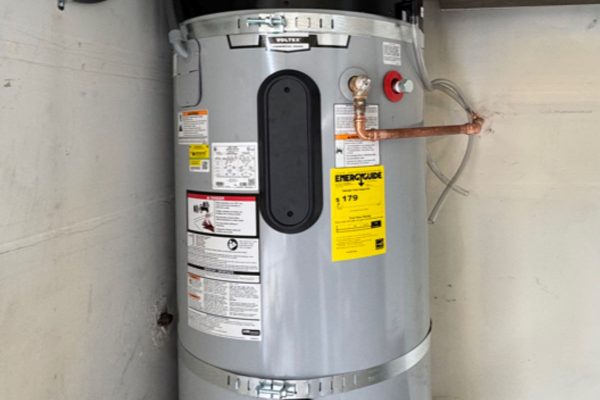
You can usually determine the age of a water heater from the manufacturer information and serial number on the unit.
Knowing the age before a problem develops can also help you plan rather than having to make a replacement decision during an emergency.
7. Your Hot Water Has a Rotten-Egg or Sulfur Smell
A rotten-egg smell coming specifically from the hot water can be associated with hydrogen sulfide and bacterial activity inside a tank water heater.
The water chemistry and the water heater’s anode rod can also play a role.
This problem can often be addressed through proper water-heater service, treatment or changes to the anode system, so an odor by itself does not necessarily mean the water heater needs to be replaced.
If both the hot and cold water have the same odor, the source may be somewhere in the home’s water supply rather than the water heater itself.
Should You Repair or Replace Your Water Heater?
Not every water heater problem means you need a new unit.
Problems involving valves, plumbing connections, expansion tanks, thermostats, heating elements and some control components can often be repaired.
Replacement becomes more likely when the tank itself is leaking or seriously corroded, or when an older water heater is experiencing repeated problems and the cost of continued repairs no longer makes sense.
The right decision depends on the age and condition of the water heater, what has actually failed and the cost of repairing it.
Water Heater Boys Can Help
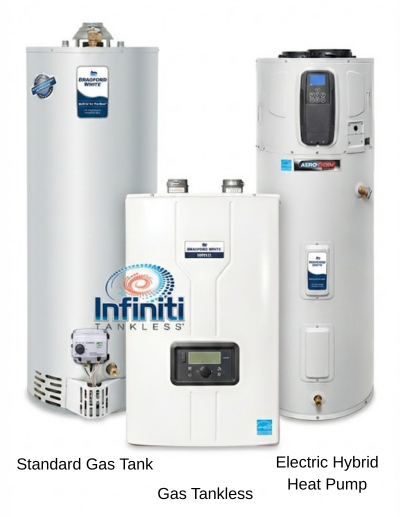
Water Heater Boys inspects, repairs and replaces gas, electric, tankless and heat pump water heaters throughout the Bay Area.
We can determine the age and condition of your water heater, identify the source of the problem and explain whether repair or replacement makes more sense.
There is no service call fee for a water heater inspection. You will get a clear explanation of what we find, straightforward options and honest pricing.
Concerned Your Water Heater May Be Failing?
You do not have to wait until you have no hot water or find a major leak.
Contact Water Heater Boys. We’ll inspect the water heater, explain what is happening and help you decide what, if anything, needs to be done.