If you own a home in the Bay Area, you may have heard that gas water heaters are being “banned.” There is some truth behind that statement, but the actual rules are more complicated, and they are still being revised.
The Bay Area Air Quality Management District, or BAAQMD, has adopted new zero-NOx standards for certain natural gas water heaters. NOx stands for nitrogen oxides, pollutants that contribute to smog and poor air quality.
These rules do not require homeowners to remove a working gas water heater. They affect new replacement equipment after applicable compliance dates.
There is also an important update: as of August 2026, BAAQMD is considering amendments that could delay the first water heater compliance date and create additional exemptions. So homeowners should be cautious about treating any future deadline as completely settled until the final amendments are adopted.
Your Existing Gas Water Heater Can Stay
If your current gas water heater is working, you can continue using it.
The rule does not require homeowners to replace existing equipment simply because it reaches a certain age or because a compliance date arrives. The zero-NOx requirements apply to new equipment when a water heater eventually needs to be replaced.
The rule also does not apply to gas cooking appliances such as stoves and ovens, and it does not require a water heater to be replaced simply because a home is being sold.
What Is the Current Timeline?
Under the rules currently adopted by BAAQMD, the zero-NOx standards are scheduled to take effect at different times depending on the type and size of the appliance.
January 1, 2027: Water heaters under 75,000 BTU/hr
This category includes many common residential gas tank water heaters.
However, BAAQMD released proposed amendments in July 2026 that would delay this requirement by one year and add several exemptions intended to address affordability and installation challenges. Those proposed changes are not yet final.
January 1, 2029: Gas furnaces
The current rules establish a separate zero-NOx compliance date for residential furnaces used for space heating.
January 1, 2031: Water heaters from 75,000 BTU/hr up to 2 million BTU/hr
This category includes many larger residential and commercial water heaters, including many whole-home gas tankless water heaters.
The important point is that not every gas water heater falls under the same timeline.
What About Tankless Water Heaters?
Tankless water heaters are one of the most commonly misunderstood parts of the new rules.
Many whole-home gas tankless water heaters have input ratings of approximately 150,000 to 199,000 BTU/hr. Because those units exceed the 75,000 BTU/hr threshold, many fall into the category currently scheduled for zero-NOx requirements beginning in 2031 rather than the smaller-water-heater category scheduled to be affected first.
The exact equipment matters. Homeowners considering a tankless replacement should check the model, BTU input, gas supply, venting requirements and installation conditions rather than assuming every gas water heater has the same deadline.
Does This Mean Everyone Will Need a Heat Pump Water Heater?
Not necessarily.
Heat pump water heaters are one of the primary electric alternatives to traditional gas tank water heaters, and they are likely to become increasingly common in the Bay Area.
A heat pump water heater uses electricity to transfer heat from the surrounding air into the water rather than relying only on electric resistance elements to create heat. This can make the equipment significantly more energy efficient.
But converting from gas to a heat pump water heater is not always a simple one-for-one replacement.
Depending on the home and the equipment selected, the project may involve a dedicated electrical circuit, evaluation of the home’s electrical panel, condensate drainage, available air volume, installation clearances and potentially a different water heater location.
Some installations are relatively straightforward. Others require considerably more electrical or construction work.
Why Planning Ahead Can Help
Traditional gas water heater replacements are often fairly straightforward when the existing gas line, venting and installation area can be reused.
Changing to a different type of water heater can involve more planning.
If your existing water heater is approaching the end of its useful life, it can be helpful to understand your options before it fails. That does not necessarily mean replacing a working water heater early. It simply gives you time to determine whether your home is suitable for a heat pump water heater, another electric option, tankless equipment or whatever alternatives are available when replacement becomes necessary.
An emergency is usually the least convenient time to evaluate electrical capacity, installation space and different types of equipment.
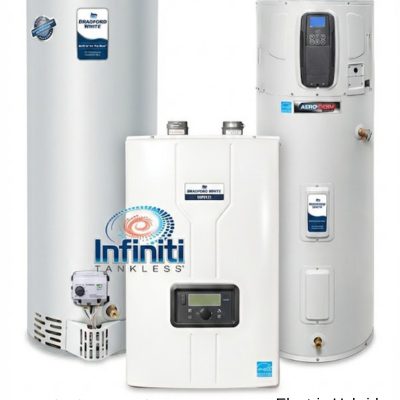
Gas Tank, Gas Tankless and Heat Pump Water Heaters
A traditional gas tank water heater remains one of the most familiar replacement options today. Smaller gas-fired water heaters are also the first category affected by BAAQMD’s zero-NOx transition.
A gas tankless water heater can save space and provide continuous hot water when properly sized. These systems often require careful evaluation of gas-line capacity, venting, condensate drainage and sometimes recirculation. Because many whole-home tankless units have input ratings above 75,000 BTU/hr, they currently fall under the later 2031 zero-NOx timeline.
A heat pump water heater eliminates on-site gas combustion and can be highly energy efficient. It does, however, require the appropriate electrical supply, physical space and installation conditions.
There is no single water heater that is right for every home.
Rebates and Incentives
Rebates for heat pump water heaters may be available through state programs, utilities, Community Choice Aggregators and other regional programs.
However, incentive programs can change frequently. Funding may be limited, and eligibility can depend on factors such as the homeowner’s utility provider, household income, equipment specifications, contractor participation and whether an application or reservation is required before installation.
The federal Energy Efficient Home Improvement Credit that previously provided a tax credit for qualifying heat pump water heaters is no longer available for improvements placed in service after December 31, 2025.
Before making a purchasing decision based on an advertised rebate, homeowners should confirm that the program is still funded and that both the project and equipment qualify.
The Bay Area Rules Are Still Being Updated
BAAQMD adopted the current zero-NOx water heater requirements in 2023, but implementation planning has continued as the agency studies equipment availability, installation costs and the challenges involved in converting some homes from gas equipment.
In July 2026, BAAQMD released draft amendments to its water heater rule. Among the proposed changes are a one-year delay to the first zero-NOx water heater requirement and additional exemptions intended to address situations in which conversion may be unusually expensive or difficult.
These changes are still proposed and may be modified before final adoption.
For that reason, homeowners should check the current rules when the time comes to replace a water heater rather than relying on information they heard several years earlier.
What Should Bay Area Homeowners Do Now?
There is no need to panic or replace a properly functioning water heater simply because of the upcoming rules.
Instead, homeowners can start by knowing what equipment they currently have.
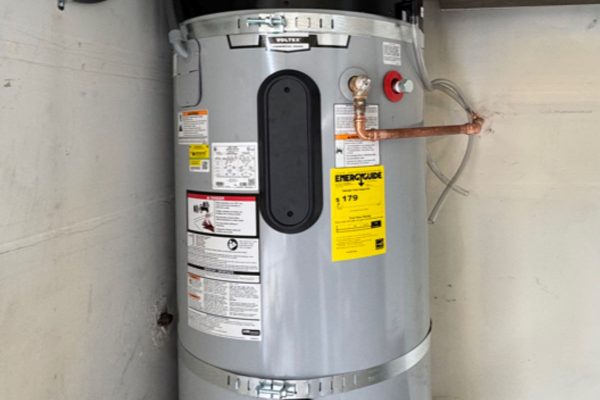
Check the age and condition of the water heater. Look at the manufacturer’s rating plate to determine the tank size, model number and BTU input. If the water heater is getting older, consider having the home’s potential replacement options evaluated before an emergency occurs.
If a future heat pump water heater is being considered, it can also be useful to know whether the electrical panel has sufficient capacity and whether the existing water heater location is suitable.
Bottom Line
The Bay Area’s transition toward zero-NOx water heating is real, but saying that “gas water heaters are banned in 2027” oversimplifies the situation.
Existing gas water heaters can continue operating.
Different types and sizes of water heaters have different compliance timelines. Many standard residential gas tank water heaters are currently scheduled to be affected first, while many higher-BTU tankless water heaters fall under a later timeline.
Most importantly, BAAQMD is actively considering changes to the water heater rules in 2026, including a possible delay and additional exemptions.
If your water heater is working properly, there is generally no reason to make a rushed decision. Knowing the age and type of your equipment and understanding your future replacement options can make the eventual process much easier.